

BONDED JOINTS EXPOSED TO HEAT
Choose temperature-resistant double-sided adhesive tape
Choose heat-resistant double-sided adhesive tape for the temperature profile of the entire bonded joint. Short peaks, continuous service temperature, the substrates and any additional load all matter. Krückemeyer GmbH helps you select a suitable product and converting format.
01
Choose by manufacturer
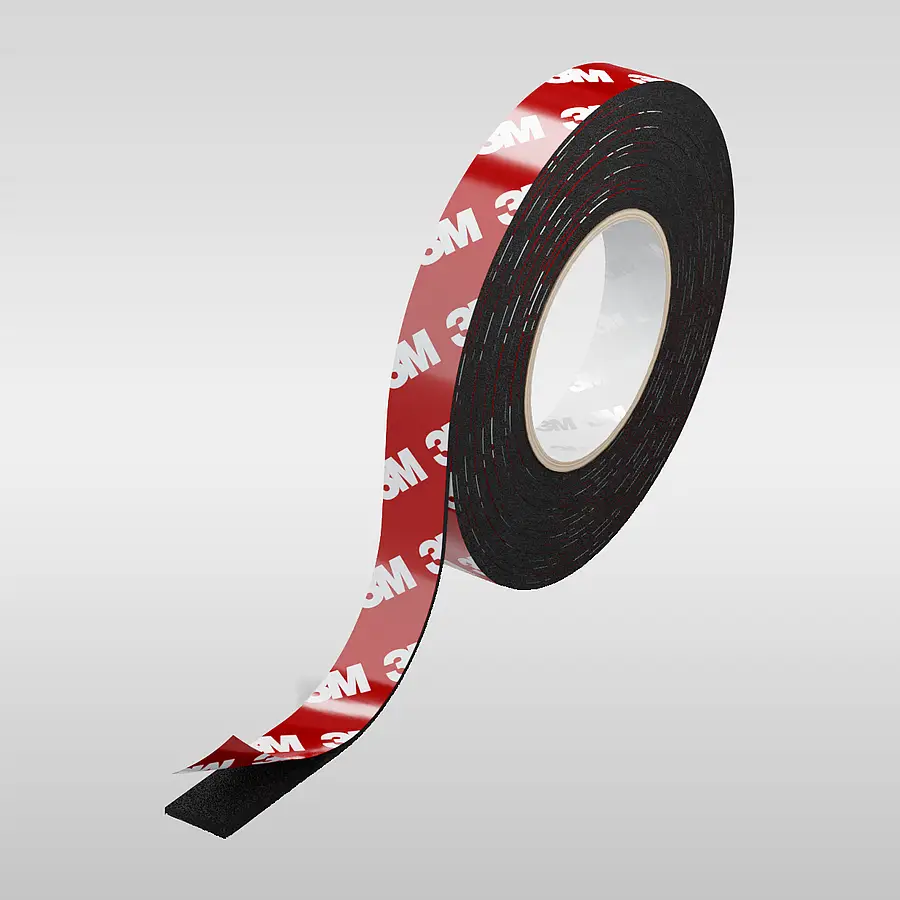
Heat-resistant 3M double-sided adhesive tape
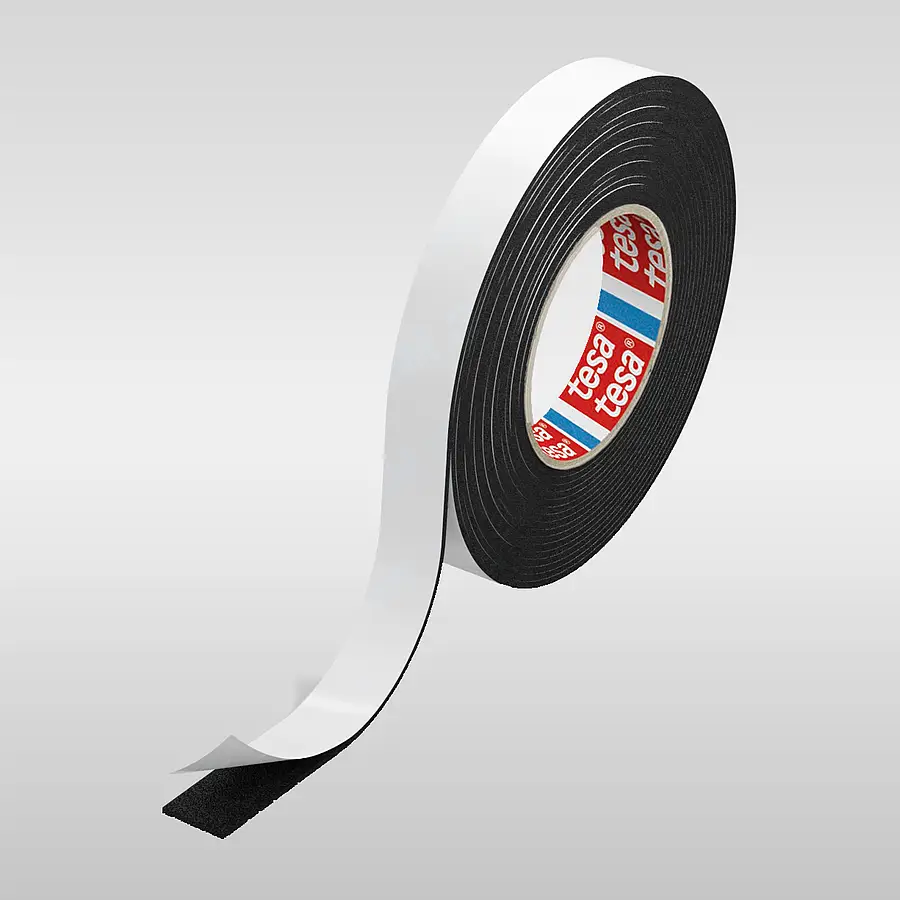
Heat-resistant tesa double-sided adhesive tape
02
Selection criteria
What temperature profile must the joint withstand?
Distinguish the temperature during application from the temperature in later service. Selection depends on the level and duration of heat peaks, continuous exposure and the load during those periods. Check both surfaces, the adhesive, the carrier or foam construction and the intended tape thickness for the specific product.
03
HEAT-RESISTANT ADHESIVE TAPES
Double-sided adhesive tapes for heat exposure in the range
The filterable range shows double-sided adhesive tapes classified as heat-resistant from 3M and Krückemeyer. For a brand-specific selection, see heat-resistant 3M double-sided adhesive tapes and heat-resistant tesa double-sided adhesive tapes. Suitability of the complete joint depends on the specific product.

Double-sided tape
Iguna HT - High Temperature Acrylic Foam - 0.8 mm Thickness - 900 mm x 33 m
Double-sided tape
Iguna HT - High Temperature Acrylic Foam - 1.2 mm Thickness - 900 mm x 33 m
No products match this combination.
No products match all of the selected filter criteria.
04
CHECK TEMPERATURE AND LOAD
A brief heat peak is not continuous service heat
A limit for a brief heat peak is not a continuous-service rating. Temperature limits can differ even within one adhesive family; the carrier or foam construction and the substrates also affect the joint. Specify the full temperature profile, duration, surfaces and direction of force. The actual joint needs particular attention if it carries a load during a heating process.
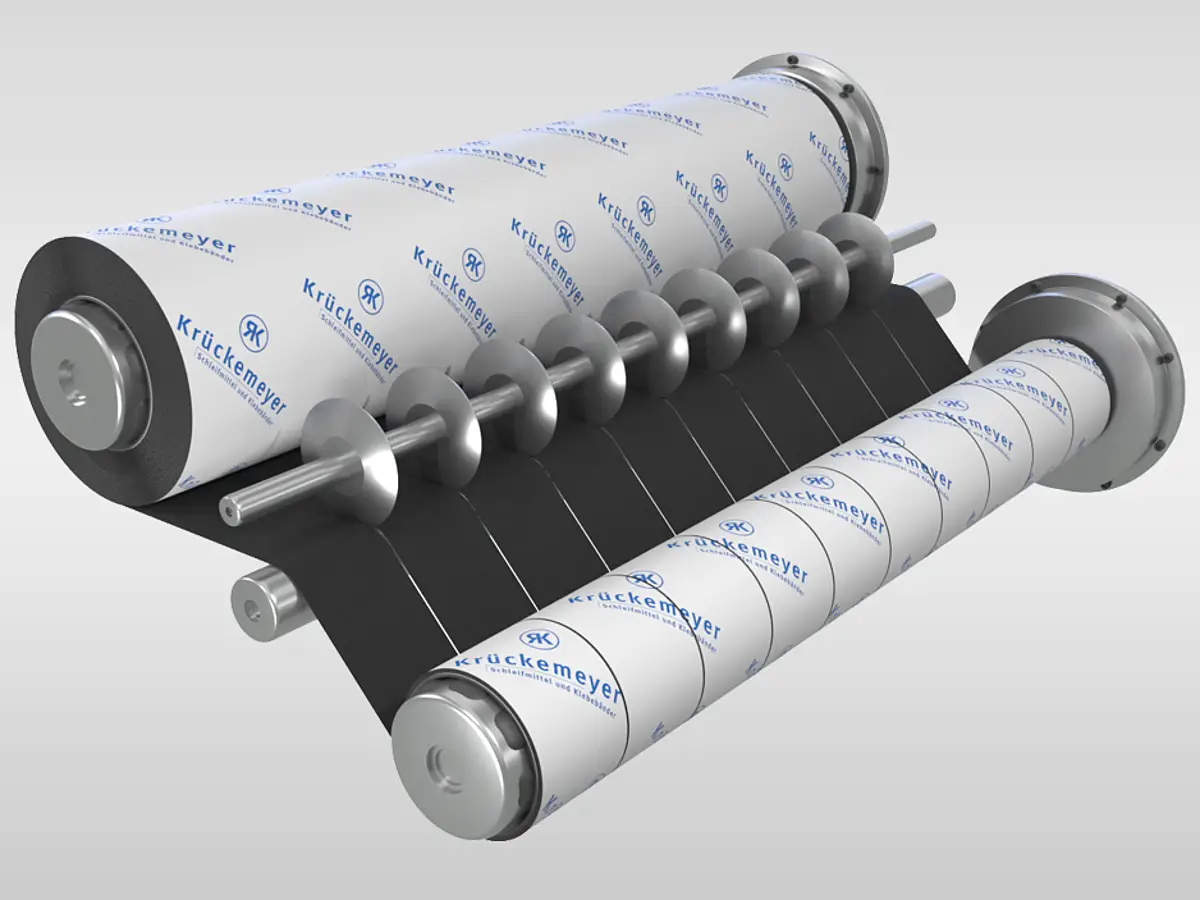
Krückemeyer GmbH can slit suitable tapes and supply die-cut parts for your component geometry. Converting does not change the material properties. Use the consultation form to coordinate the tape, shape and application method for your service conditions.
Specific products show the difference: 3M states a temperature resistance of -40 °C to +120 °C for its double-sided Acrylic Foam 5363P tape; +160 °C applies only for short periods. For 3M Acrylic Foam 5390F, the range is -40 °C to +90 °C, with +120 °C for short periods. Both ratings depend on the applied load. Assess the regular operating range and brief temperature peaks separately for your component and its load.
05
QUESTIONS ABOUT HEAT EXPOSURE
What is the difference between short-term and continuous temperature resistance?
A short-term rating applies to limited heat exposure; a continuous rating describes longer service. The higher short-term value must therefore not be treated as a continuous rating for heat-resistant double-sided adhesive tape. Manufacturers distinguish these values by adhesive series and product construction. To select a tape, you need the actual temperature profile, duration and load on the bonded joint. Then check the rating in the data sheet for the specific tape and assess your complete joint.
Is the application temperature the same as the service temperature?
No. During bonding, the surfaces, tape and application method must suit the selected product; a different temperature may occur later in service. A heat-resistance rating does not replace an assessment of the application conditions. State when heat is applied: before joining, during joining or only after the component has been assembled. Include both substrates and their surface condition. Product suitability can then be assessed separately for the process and for subsequent service.
Why is a temperature rating alone insufficient when the joint carries a load?
A bonded joint can be exposed to heat and mechanical forces at the same time. The type and direction of the load, bonded area, both substrates and duration of heat exposure all matter. A double-sided adhesive tape classified as heat-resistant is therefore not automatically suitable for every loaded joint. Check the specific product rating alongside component geometry and the service profile. If a heating process takes place under load, state that condition explicitly in your enquiry.
What information do you need for a slit roll or die-cut part?
Tell us which tape you have selected, or describe your requirements for the adhesive, carrier and tape thickness, together with both substrates, the temperature profile and the load. For converting, provide the required width or outline, component geometry and intended application method. Krückemeyer GmbH can slit suitable tapes or produce die-cut parts. Whether the required shape and its release liner remain practical to handle is assessed for the specific application. Converting alone does not increase the tape's temperature resistance.
06
Request advice
Describe heat peaks and continuous service, both surfaces, the load and the application step. We will review a suitable tape with you, including slit widths or die-cut parts for your component.
Discuss a joint exposed to heat
We can review the temperature profile, surfaces and load with you to support a specific choice. You can also add products from the range to your enquiry list.

ADVICE ON HEAT EXPOSURE
Thomas Klein
Contact for products
Thomas Klein will discuss the temperature profile, substrates and load on your bonded joint with you.