

LOAD AND TEMPERATURE TOGETHER
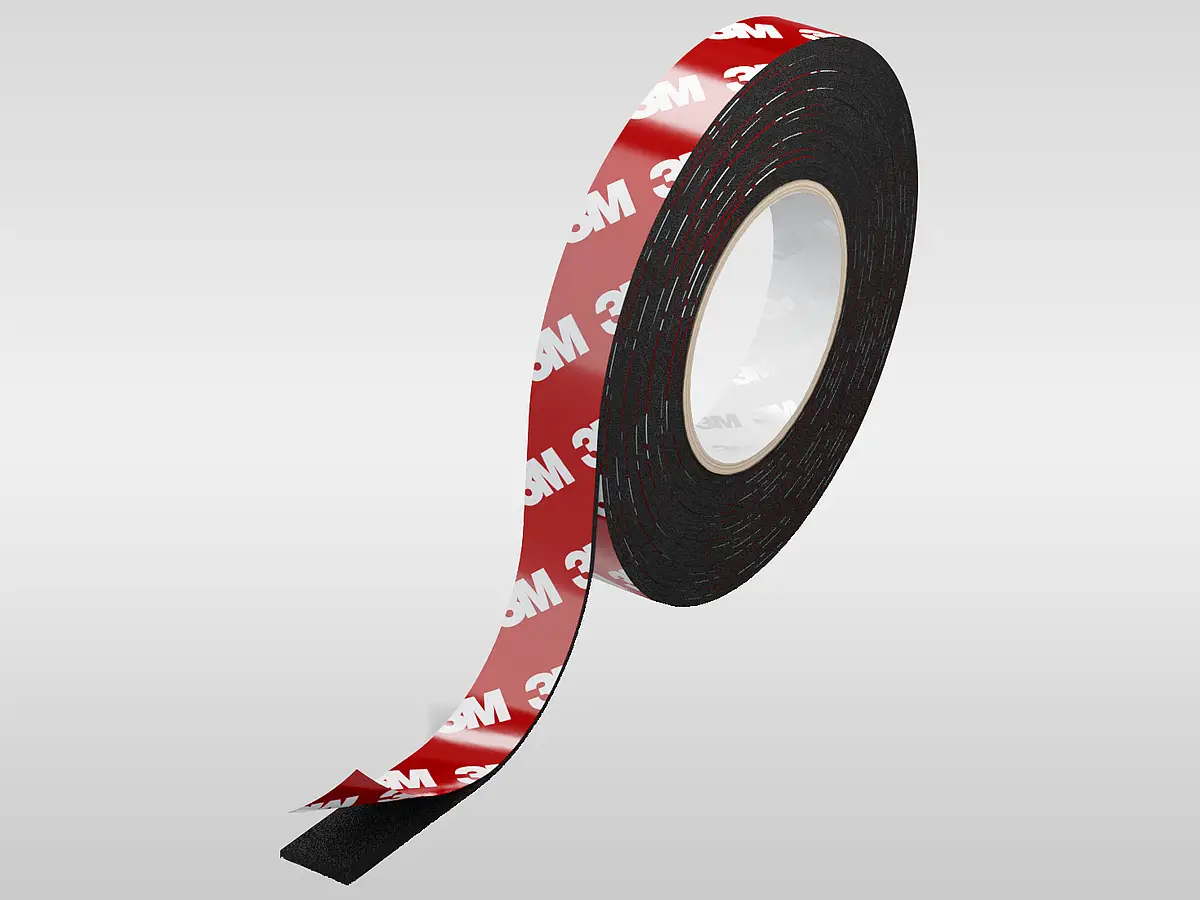
Extra-strong, heat-resistant double-sided tape
For load-bearing bonds exposed to heat, adhesion and temperature resistance must work together. Compare double-sided tapes by temperature profile, joining surfaces and load direction; Krückemeyer GmbH supports material selection and application-specific converting.
01
Selection criteria
Assess load and temperature together
The temperature at the bond line, its duration and the force acting on the joint are decisive. A brief heat peak during processing differs from continuous heat in service. Also check both surfaces, bond area, shear or peel loading and tape thickness. A high temperature rating alone does not tell you whether the joint can carry the required load.
02
TAPES FOR LOAD AND HEAT
Extra-strong, heat-resistant double-sided tapes
The product range brings together double-sided tapes in the “extra strong” and “heat-resistant” categories. Check the temperature data and construction of each version for your application.

Double-sided tape
Iguna HT - High Temperature Acrylic Foam - 0.8 mm Thickness - 900 mm x 33 m
Double-sided tape
Iguna HT - High Temperature Acrylic Foam - 1.2 mm Thickness - 900 mm x 33 m
No products match this combination.
No products match all of the selected filter criteria.
03
SELECTING FOR HEAT EXPOSURE
Which tape can handle load and heat?
Start with the temperature profile: how hot does the bond line become, for how long, and at which process stage? The 3M VHB GPH series, for example, may be suitable for high temperatures and bonding before powder coating. Check whether it also suits the materials and load of your joint. Then compare adhesion to both materials, bond area, load direction and tape thickness. Acrylic foam can accommodate unevenness and stress between dissimilar materials, but it does not replace testing under load at elevated temperature.
Krückemeyer GmbH can cut suitable tapes to size or prepare die-cut parts for your assembly. Specify the components, temperature profile, load and required supply format so that material and geometry can be assessed together.
04
QUESTIONS ABOUT LOAD AND HEAT
What does heat-resistant mean for an extra-strong double-sided tape?
Heat resistance applies to a specific tape version under defined temperature conditions. Your joint also depends on the force acting during heat exposure and how long that force lasts. The 3M VHB GPH series, for example, distinguishes continuous from short-term temperature exposure. Do not apply a value from one data sheet to another tape or to the entire bonded assembly without checking it. Have the temperature profile, joining materials and load assessed together.
Is a high temperature rating enough when the bond also carries a load?
No. A temperature rating describes a property of a particular product under defined conditions; it is not a general approval for load-bearing use. Bond area, shear or peel direction, substrate and the duration of the load also affect the result at elevated temperature. Acrylic foam can accommodate stress and minor surface irregularities, but the specific joint must still match the forces involved. State the load case and temperature profile together before selecting a version.
What information matters when selecting tape before a heating process?
Describe the process stage, the highest temperature at the bond line and how long it lasts. Add both joining materials and their surfaces, the bond area, and the load during and after the heating process. The 3M VHB GPH series may be suitable for bonding before powder coating; whether it works with your surfaces and process needs to be checked. These details allow the product and its processing conditions to be checked for your application.
Can Krückemeyer convert the selected tape for assembly?
Yes. Krückemeyer GmbH can cut adhesive tapes to application-specific dimensions and produce die-cut parts. A suitable width or contour supports the intended bond area and handling during assembly. Specify the material, geometry and required supply format, together with the temperature and load case. Converting does not change the tape's material properties; the suitability of the selected version under heat and load must be assessed for your application.
05
Request advice
Tell us about the joining materials, temperature profile, load and required tape shape. We will review a suitable version with you and discuss cutting or die-cutting options.
Plan a load-bearing bond exposed to heat
Send us your requirements for temperature, materials and load. We will advise on selection and an application-specific format.

ADHESIVE TECHNOLOGY FOR LOAD AND HEAT
Thomas Klein
Contact for products
Discuss the temperature profile, joining materials and required tape format with Thomas Klein.