
3M BONDING TECHNOLOGY · MOISTURE EXPOSURE
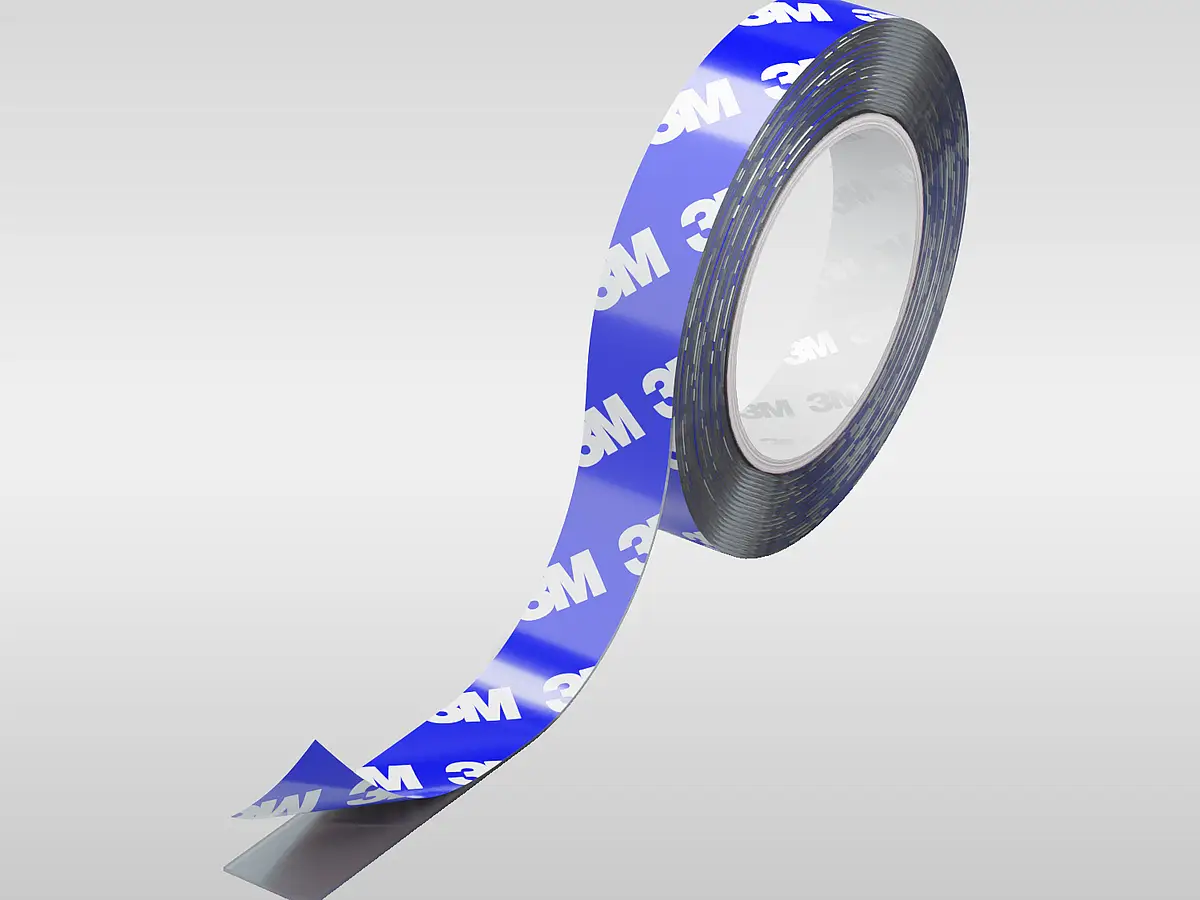
Choose 3M double-sided tape for moisture exposure
For joints exposed to water, the tape's moisture resistance is only one factor: the substrate, exposure duration and edges of the entire bond must work together. Choose a documented 3M version for your specific application.
01
Selection criteria
Define water exposure and the joined parts first
Describe whether the joint encounters splashes, condensation or prolonged contact with water, and for how long. Then compare both surfaces, the bonding area, tape construction and direction of load. 3M documents moisture resistance for specific double-sided tapes; this is not a blanket guarantee that every joint is watertight.
02
3M OPTIONS FOR MOISTURE EXPOSURE
3M range for joints exposed to water
Check the listed 3M options against their product data. Suitability for water exposure depends on the tape, substrate and design of the joint.
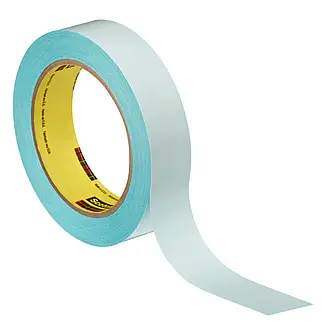

3M Double-Sided Adhesive Tape
3M Doppelseitiges Klebeband mit Polyester-Träger 9576, Transparent, 50 mm x 50 m
No products match this combination.
No products match all of the selected filter criteria.
03
CHOOSE THE RIGHT 3M TAPE
Moisture resistant does not mean watertight
An adhesive described as moisture resistant does not yet tell you whether water can enter at an edge or through the substrate. Have the specific version assessed against water contact, exposure duration, surface condition and mechanical load. Where width or outline determines installation, Krückemeyer GmbH can cut suitable base material or convert it into die-cut parts; converting does not itself create a material property.
04
QUESTIONS ABOUT 3M AND WATER CONTACT
When is 3M double-sided tape suitable for moisture exposure?
When the specific 3M version is documented for the intended moisture exposure and the complete joint is suitable. Manufacturer literature identifies moisture resistance for particular double-sided tapes. The type and duration of water contact, both bonding surfaces, mechanical load and joint edges still matter. A statement about the tape's resistance does not replace checking whether the assembled bond will perform the required function in your application.
How does moisture resistance differ from a watertight bond?
Moisture resistance is a documented property of a particular version under defined conditions. A watertight bond concerns the complete assembly: bonding area, components, substrate, transitions and edges. Even if a 3M tape tolerates moisture, water may enter a poorly designed joint. Assess the required sealing function and the actual water exposure separately from the tape's material property.
What information helps select a tape for a water-exposed joint?
Specify both joined parts and their surface condition, the type of water contact and how long it lasts. Add the bonding area, direction of load, service environment and required function of the joint. These details allow the product data of a 3M version to be compared with the application. If the tape needs to be supplied as a cut length or die-cut part, also describe its outline, width and the intended processing step.
Can converting 3M tape make a joint watertight?
Converting alone does not make a bond watertight. Krückemeyer GmbH can cut suitable base material to application-specific sizes or die-cut shapes. Whether the result performs the required function under moisture exposure still depends on the selected tape, surfaces and complete joint design. For a sound selection, compare the type and duration of water exposure and the installation conditions with the data for the particular version.
05
Request advice
Describe the water exposure, joined parts and required function of the bond. Our technical advisers can compare your application with the documented properties of a suitable 3M version and possible converting options.
Assess your joint under moisture exposure
Send us details of the substrates, water contact and load. We will discuss the suitable version and the next assessment step with you.

BONDING ADVICE FOR MOISTURE EXPOSURE
Thomas Klein
Contact for products
Thomas Klein will discuss your substrates, water exposure and joint requirements with you.